Toddler Lunch Boxes: Bento Vs. Insulated Vs. Soft Bags
Hands full? Listen instead.
6 min listen
The short version
- Bento boxes separate food into compartments but don’t insulate. Pack them inside a soft bag if lunch won’t be refrigerated.
- Manufacturer “leak-proof” means the sealed lid holds under normal use. It doesn’t mean the whole box is waterproof or drop-proof.
- Most “dishwasher-safe” claims apply to the removable tray only, top rack. The outer box usually needs handwashing.
- More latches can improve the seal but add steps for a 3-year-old to manage on their own. One latch is simpler to start with.
School starts and someone sends a list of thirty toddler lunch boxes, all described as “perfect for little ones.” The main styles are bento containers, insulated hard containers, and soft lunch bags. They do different things, and knowing which one does what makes the choice a lot shorter than that list.
I bought a soft bag my first year thinking it would handle everything. It held the cold fine. The yogurt cup opened inside it, and that was a whole situation. Reading the specs first would have helped. Here’s what the specs actually say.
Bento vs. insulated containers vs. soft bags: what each type actually does
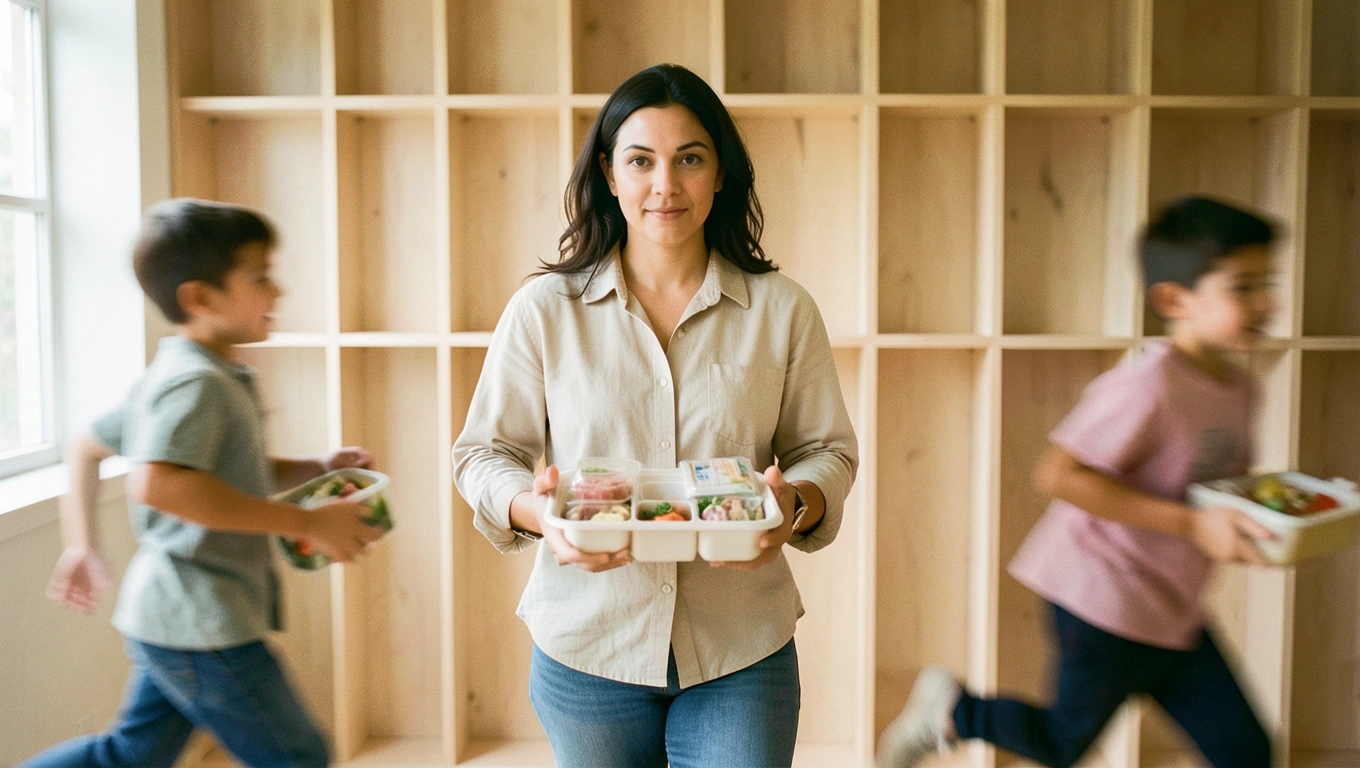
A bento-style container is a hard box with dividers inside. The compartments keep a sandwich from touching blueberries, which matters more than it sounds when you’re packing for a 4-year-old with strong opinions about food touching other food. The box itself doesn’t insulate. It goes inside a soft bag to stay cold.
An insulated hard container has an insulated wall, usually foam or vacuum-sealed, to hold temperature. It works well for a warm lunch or a cold one that sits out. Most brands list a claimed hold time in their product specs, and that figure is worth checking before you buy if you are packing dairy or protein. The tradeoff is that the interior is typically one or two larger spaces rather than a grid of small compartments.
A soft lunch bag is a carrier. It insulates whatever you put inside and usually has a side pocket for a water bottle. It won’t contain a spill. If a yogurt container pops open in there, the bag holds the mess but doesn’t stop it from reaching everything else inside.
| Style | Insulates | Compartments | Spill containment | Best when |
|---|---|---|---|---|
| Bento box | No | Yes, fixed dividers | Lid seal only | School fridge available, or used inside a soft bag with an ice pack |
| Insulated hard container | Yes | One or two open spaces | Lid seal only | Lunch sits out 2 to 4 hours; packing warm food or cold protein |
| Soft lunch bag | Yes, with ice pack | None | Holds a mess but does not seal it | Carrying a bento box inside; everyday use |
Leak claims: what the label covers and what it doesn’t
A manufacturer’s leak-proof claim refers to the lid seal holding under normal packed conditions. Bentgo reports that its Kids Snap & Go Lunch Box uses a leak-proof lid with four locking clips and a 4.2-cup total capacity, with the food tray listed as top-rack dishwasher-safe. That seal holds when the latches are properly closed. If the box is dropped lid-down or packed with a latch undone, that claim doesn’t apply.
A leak-proof lunch box and a soft insulated bag are not substitutes for each other. The box handles containment. The bag handles insulation. If you’re packing dairy or meat, you need both.
One thing worth checking: some products say “leak-resistant” and some say “leak-proof.” Those aren’t the same claim. The exact wording on the product page tells you a lot before you buy.
Single latch vs. multiple clips for small hands
More latches create more contact points between the lid and the box, which generally helps the seal hold. They also mean more steps for a 3- or 4-year-old to manage by themselves.
Bentgo reports that its Chill Kids Lunch Box has a single easy-open latch and a four-compartment removable tray. Its Kids Prints Lunch Set uses two kid-friendly latches and is listed as leak-proof. One latch is simpler to open solo. Two or four clips hold better by design but require more from small hands.
If your kid opens lunch independently at preschool, one latch is a reasonable place to start. If a teacher helps, or if leaks are your bigger concern, more clips make sense. Neither is wrong. It depends on the child and the classroom setup.
Dishwasher instructions: what top-rack-safe actually covers
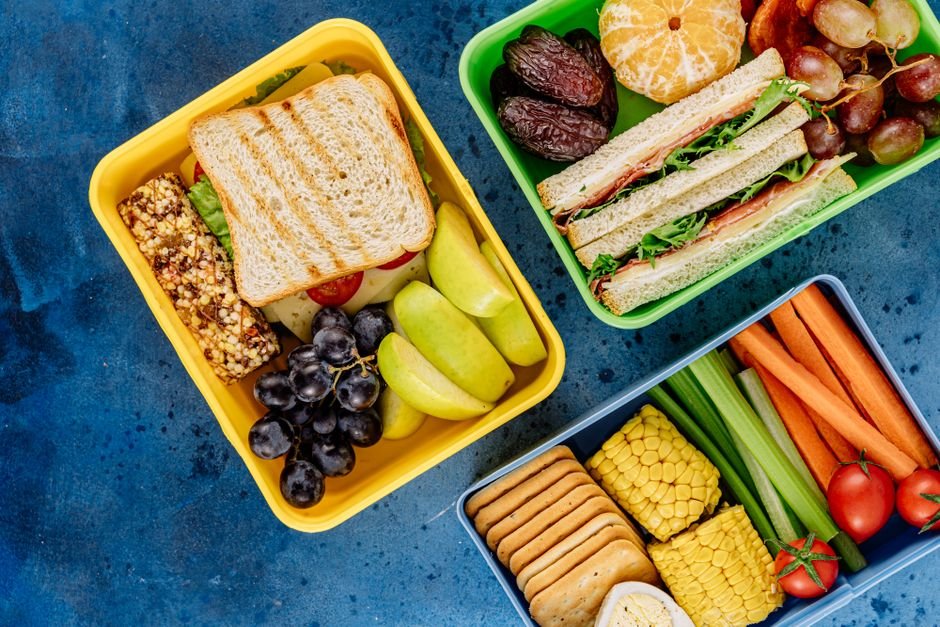
“Dishwasher-safe” on a toddler lunch box almost never means the whole thing. The claim usually applies to the removable tray, top rack only. The outer shell, the lid seal, and any insulated lining typically need handwashing to stay in working condition.
Bentgo reports that the Kids Lunch Box tray is top-rack dishwasher-safe, with the outer box handled separately. The Kids Prints set follows the same pattern: tray on the top rack, outer box handwashed to preserve the leak-proof seal. Putting the whole box through the dishwasher can warp plastic or wear down the seal over time.
If cleanup ease is what you’re buying for, the specific question to ask is which piece is dishwasher-safe, not whether the product is labeled dishwasher-safe in general.
🦸♀️ Supermom Advice
Before you order, run the brand name and model through the CPSC recall records. It takes two minutes and it’s free. Most lunch boxes have no open recall, but knowing before it ends up in your kid’s bag is worth the two minutes.
Materials, capacity, and food-contact basics
Most toddler lunch boxes use polypropylene, Tritan copolyester, or stainless steel for the parts that touch food. The FDA’s food-contact substance rules explain which materials are authorized for use in products that come into direct contact with food. That doesn’t mean every individual lunch box goes through a separate FDA review, but the plastics used are supposed to meet those authorization requirements.
Bentgo reports that the Kids Snap & Go has a 4.2-cup total capacity. A common rule of thumb is that toddlers eat roughly half to two-thirds what a school-age kid eats at a sitting, so a box in the 3 to 5 cup range is typically enough without overpacking.
One practical check before buying: does the brand sell replacement parts? Lids crack, seals wear out, latches break. A box where you can replace a tray or a latch lasts a lot longer than one that heads to the trash the first time something snaps.
Which style fits your routine
If your kid’s preschool refrigerates lunches, a bento box inside a basic soft bag is usually enough. The fridge handles the cold. The box keeps food separated. If lunch sits in a cubby for three or four hours, you need actual insulation: either an insulated hard container or an ice pack in a well-insulated soft bag.
That matters most for dairy and protein. For a PB&J, apple slices, and crackers, you have more flexibility. The AAP’s food safety guidance is worth a quick read if you want the full picture on keeping packed food safe outside the fridge.
What I do now is pack a small ice pack in with the bento box. It’s one extra step, but it means I’m not thinking about whether the classroom fridge has room. That works for us.
- Fridge available at school: a bento box plus a soft bag carrier is usually enough.
- No fridge, lunch sits out 2 to 4 hours: add an ice pack, or use an insulated hard container.
- Packing liquids or dairy: use a hard leak-proof container inside the soft bag, not the bag alone.
- Kid opens lunch solo: start with one latch and see how it goes.
- Cleanup matters most: find out which specific piece is dishwasher-safe before buying, not after.
Which Lunch Box Style Fits Your Routine
Questions moms actually ask
- Which toddler lunch box style is easiest to pack?
- A bento-style box with fixed compartments is typically the simplest because each space has a set size. Fill the compartments and latch the lid. Insulated containers with one large open space give more flexibility but require you to do more of the organizing on your end.
- Does a leak-proof lunch box replace an insulated lunch bag?
- A leak-proof container keeps liquid inside the box, but it does not add cold. If lunch sits unrefrigerated for more than an hour or two, an ice pack or an insulated bag is still needed to keep food at a safe temperature.
- What does top-rack dishwasher-safe actually mean?
- It means that specific piece, usually the removable tray, can go on the top rack. The outer shell and the lid seal typically need handwashing. Running the whole box through on a hot cycle can warp the plastic or wear down the seal faster than handwashing would.
- How can parents evaluate a lunch box’s food-contact and cleaning claims?
- Look at the material listed for the food-contact parts, verify that replacement pieces like trays and lids are sold separately, and read the dishwasher instructions for each individual component rather than the product summary. Those three steps tell you more than any single label claim does.
- How long does an insulated lunch container keep food cold?
- Hold times vary by product and how the box is packed. Most manufacturers list a claimed hold time in their specs. For a typical preschool morning, a quality insulated container with a fresh ice pack generally keeps food at a safe temperature. Pack dairy and protein with an ice pack regardless of container type, and check the AAP food safety link in this article for the full guidance on time and temperature.