
White Noise Machines for Kids: What’s Worth Paying for
Hands full? Listen instead.
5 min listen
The short version
- The American Academy of Pediatrics says some infant sleep machines can produce hazardous noise levels. Keep the machine across the room, not next to the bed.
- Both volume and duration matter. A timer at low volume is better than running loud all night.
- A box fan provides steady background noise for many kids and costs a fraction of a dedicated machine.
- Timers and a true low-volume setting are the features worth paying for. App control and built-in night lights are extras.
Somebody in a parenting group recommended a white noise machine like it was a prescription. Brand name, link, star rating. Now you’re looking at several white noise machines for kids on the same shelf with a wide price spread and no obvious explanation for it.
The difference is real, and some of it matters. This is a rundown of what these machines actually offer at different price points, what the AAP says about keeping them safe, and when a box fan does the same job for a lot less.
What you are actually paying for
A white noise machine is a speaker in a housing. The price difference between a budget model and a premium one comes down to control features: a timer, a wider volume range, more sound options, a night light, and sometimes app connectivity. The machine does not get safer or more effective as the price goes up. It gets more adjustable.
The two features that change daily use are a timer and a genuinely low volume floor. I bought a cheap model first because the specs looked close enough to a pricier one, and I ended up unplugging it manually every morning because there was no timer. That was a fixable mistake in hindsight.
Sound variety gets the most attention in product descriptions and probably matters least. White noise, pink noise, fan loops, rain, ocean sounds. Any steady monotone works for most kids, and the specific track rarely makes a difference.
Cheap machines: what they skip
Budget machines typically skip the timer, a true low-volume setting, and any way to adjust things after you’ve left the room. Some offer only two or three sounds. Power is usually a fixed cord, with no battery option for travel.
The low-volume floor matters more than it sounds. Some budget models describe their lowest setting as “low” while still being clearly audible from across a hallway with the door closed. A machine where low is genuinely quiet is more useful than one that only goes from loud to louder.
A budget machine still works if the goal is just steady sound in the room. The tradeoff is that you’re managing it manually every night, and you may not have a volume option you’re comfortable leaving on until morning.
Premium features that can earn their keep
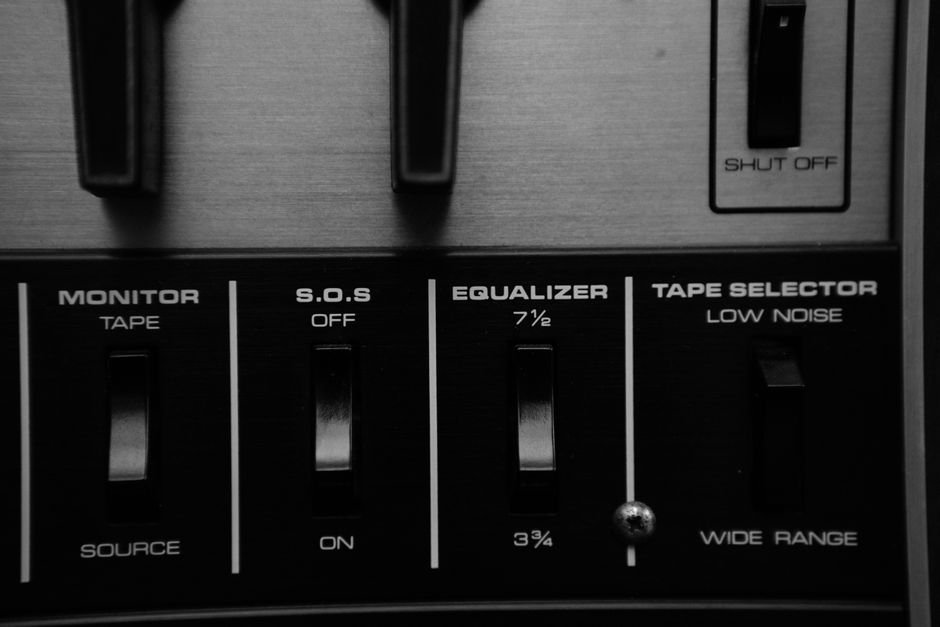
A timer is the one upgrade that actually changes how you use the machine. Set it to shut off 30 to 45 minutes after bedtime and the room goes quiet for most of the night, which matters for the same reason the AAP’s guidance on duration matters: you want steady sound at the start, not an all-night event.
Battery or USB power is worth paying for if your family travels. If the machine lives in one room and never moves, the cord is fine. App control lets you adjust volume or turn the machine off without opening the door, and I went back and forth on an app-connected model for a while before deciding I was not going to open another app before bed.
A built-in night light is a reasonable convenience if you need one and don’t already have it. It is not a reason to choose a machine over a comparable model that costs less and lacks it.
🦸♀️ Supermom Advice
Download a free sound level meter app and hold your phone at your child’s head height while the machine runs on the setting you actually use at night. Most of these apps are accurate enough to tell you whether your “low” setting is genuinely low or just lower than the highest one. It takes about thirty seconds and you stop guessing.
AAP guidance on volume, distance, and duration
The American Academy of Pediatrics says some infant sleep machines can produce hazardous noise levels. Their guidance is specific: keep the machine as far from a baby’s head as possible, and use it for a short time only. That means across the room, not clipped to the crib rail or sitting six inches from the pillow.
The AAP also points out that both volume and duration of noise exposure matter for children. Longer exposure should come paired with lower volume. A machine running all night at a high setting combines both risk factors in the same night.
The NIH explains that noise-induced hearing loss builds gradually with repeated exposure over time, which is why routine use at the wrong volume is a real concern, not just a one-time event worry. If your child has had any ear or hearing concerns, ask your pediatrician. That’s a one-question conversation worth having.
White noise machine versus box fan
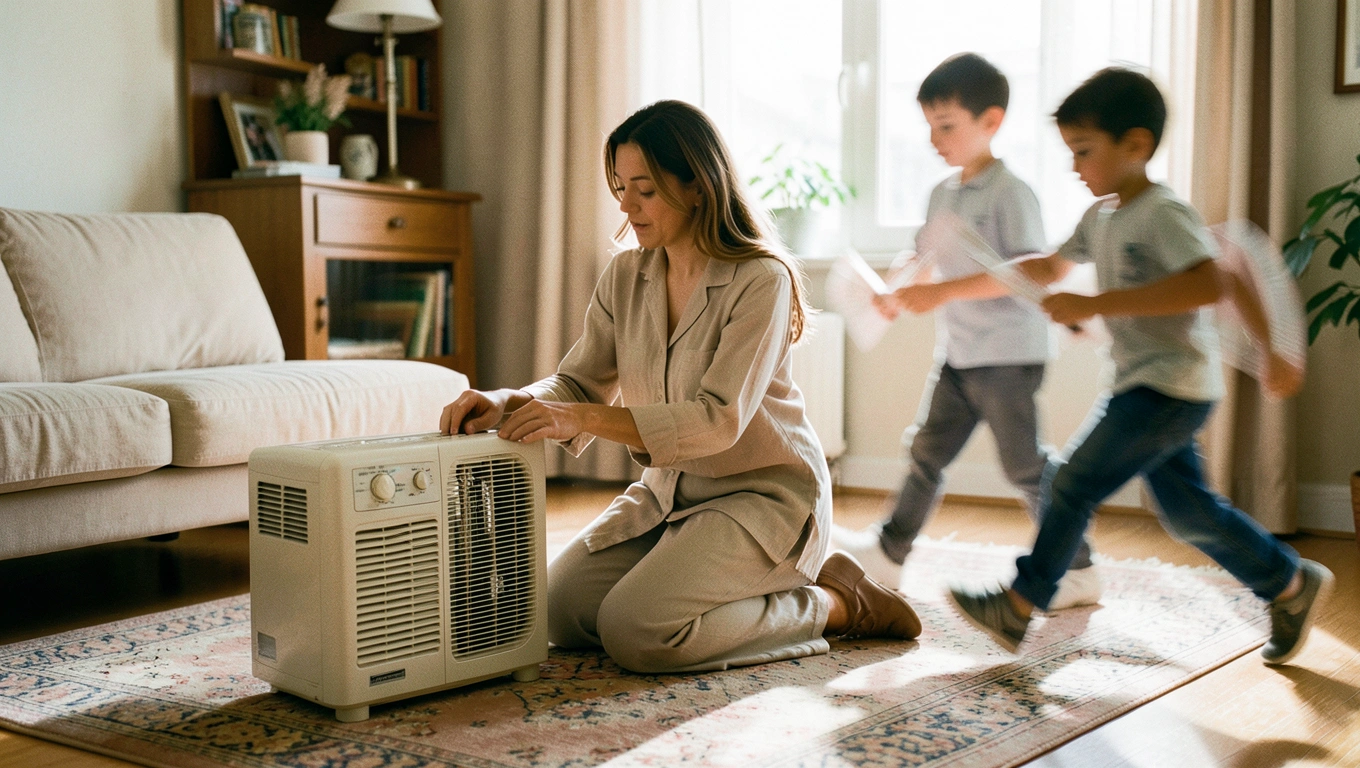
The AAP lists a fan among the steady sounds that may help soothe a crying baby. A box fan on a dresser or the floor across the room produces consistent background noise with no app, no timer to set, and no premium price tag.
Where a fan falls short: no timer, volume is limited to built-in speed settings, and it moves air, which some parents prefer not to run all winter long. It’s also not portable. We ran a box fan in my daughter’s room for the first couple of years and it worked fine. The reason I eventually looked at a dedicated machine was travel, not any dissatisfaction with the fan.
A fan is the right starting point if you’re not sure yet whether your child responds to white noise at all. If it works, you’re done. If your needs are more specific, the upgrade has an actual reason behind it.
A simple buying checklist for families
For most families, the decision is simpler than the product pages make it look.
- Try a fan first. If steady background noise helps your kid, you don’t need a dedicated machine.
- If you do buy a machine, look for a timer and a volume dial that goes genuinely quiet.
- Place it across the room from the bed. That’s the AAP’s guidance, and it also makes it easier to gauge whether the volume you’re setting is reasonable.
- Skip app control unless you’re already checking your phone to manage other devices before bed.
- The night light is worth having if you need one. If you already own a night light, the combo unit just means one fewer outlet used.
- If your child has had ear or hearing concerns, one quick question to the pediatrician before adding any noise source to the room is worth it.
Questions moms actually ask
What features matter most in a white noise machine for children?
A timer and a true low-volume setting are the two features that change how the machine actually gets used. The AAP recommends limiting both volume and duration of children’s noise exposure, and those two controls are the practical tools for doing exactly that.
Is an app-controlled model better than one with physical buttons?
Not meaningfully better for most families. App control is useful when you need to adjust the volume after a child falls asleep without opening the door. Physical buttons work just as well for everyone else, with one fewer device connection to maintain and one less screen to look at before bed.
Do kids need a night light built into their white noise machine?
No. A combined unit is convenient if you need both and want one less item plugged in. If your child already uses a separate night light, the combo doesn’t change how the sound works. The only real gain is consolidation, not function.
When can a box fan replace a dedicated white noise machine?
A fan works when all you want is steady sound and you’re not certain yet whether white noise helps your child at all. It’s the right test before spending more. The gap opens when you need portability, a timer, or fine volume control, and a fan offers none of those.