
Picky Eaters: Getting Through Dinner Without a Standoff
Hands full? Listen instead.
5 min listen
The short version
- The parent decides what food is on the table, when it’s served, and where the family eats. The child decides whether to eat and how much. Neither side crosses into the other’s lane.
- Include one food your kid will actually eat alongside every meal. Not a full parallel dinner. One familiar thing is enough.
- Exposure counts even without eating. Looking at the food, touching it, or smelling it are all real steps, even on nights when the plate comes back untouched.
- If your child’s list of accepted foods keeps shrinking, they aren’t growing well, or mealtimes are causing real distress, mention it to your pediatrician.
Dinner with picky eaters can turn into a negotiation nobody agreed to have. The pasta is touching the sauce, the broccoli is apparently “spicy”, and everyone’s already tired before anyone sits down.
There’s a framework that helps, and it’s shorter than it sounds. The parent controls what food shows up at the table. The kid controls whether anything goes in their mouth. That’s the whole structure, and it works better than the nightly standoff.
What Division of Responsibility Looks Like at Dinner
Division of responsibility means you pick the menu and the time, and your child picks whether anything gets eaten. The American Academy of Pediatrics lays it out plainly on their guide on picky eating: the parent provides the food, and the child decides whether to eat it.
In practice, you decide the menu, you put the food on the table, and you set the time. You don’t negotiate swaps when the first option gets turned down. You don’t offer a replacement twenty minutes later when someone announces they’re suddenly very hungry.
I know that last part is the hard one. I have made a second round of quesadillas more times than I want to admit, and it never made the next dinner any easier. What you control, you actually control. What they eat is genuinely theirs to decide.
Why One Safe Food Can Lower the Temperature

The piece that makes this practical for most families is at least one food on the plate that your kid will actually eat. HealthyChildren.org’s advice on picky eaters recommends including at least one familiar food at every meal and snack, while avoiding separate replacement meals or snacks after refusal.
That familiar food can be the plain roll, the sliced cucumber, the bowl of rice beside whatever else you’ve made. It’s not a full parallel dinner. If the new food gets ignored, nobody is going to bed hungry.
When you skip the familiar food and put only new things on the table, dinner becomes all-or-nothing. That’s exactly where standoffs start. A piece of plain pasta at the edge of the plate isn’t giving in. It’s just good planning.
Repeated Tries Count, Even When Nobody Takes a Bite
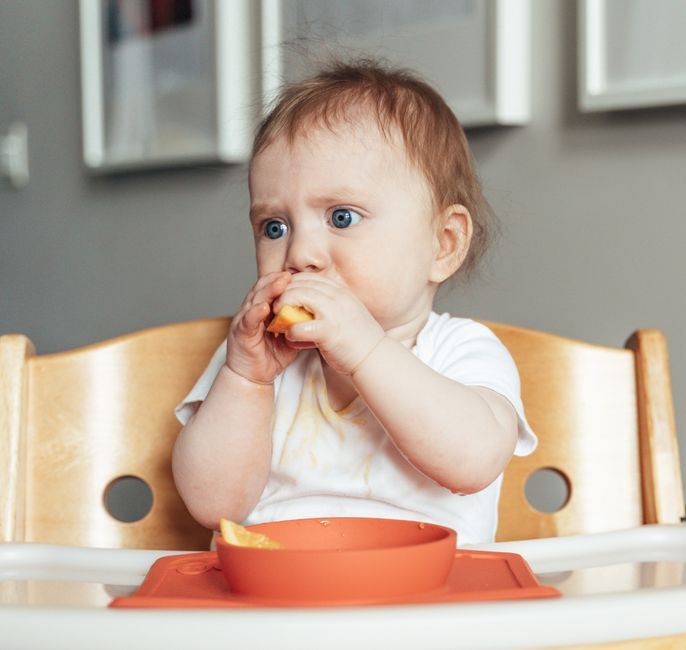
The number of times a food has to show up before a child accepts it is usually higher than parents expect. HealthyChildren.org and similar pediatric resources consistently note that children often need many exposures to a new food before accepting it, and for toddlers that number can be even higher.
Knowing that changes what a rough dinner actually means. If your kid looked at the new food, poked it once, and then ate only the familiar thing, that was still an exposure. You don’t start back at zero because nobody ate it.
The American Academy of Pediatrics’ guidance on preventing food hassles notes that exposure doesn’t have to mean eating: looking at the food, touching it, smelling it, or licking it and spitting it out all count as steps. Progress with picky eaters is slow, and it rarely looks like progress until one random Tuesday when your kid just eats the thing.
🦸♀️ Supermom Advice
When you’re putting out something unfamiliar, give your kid a small job: smell it and report back, or name the color. It shifts the moment from “eat this” to “what do you notice,” which is a shorter distance for most kids to travel. Count it as an exposure either way, and move on.
A Low-Pressure Dinner Routine for Real Families
Stopping two or three habits matters more here than adding anything new.
What a low-conflict dinner tends to look like in practice
- One familiar food on the plate, every time
- New or disliked food served in a small portion, not a full serving
- Eating together when that’s possible, phones down
- No commentary on what’s being eaten or skipped
- No cajoling, bargaining, or the airplane spoon
- No replacement meal if dinner gets turned down
- If someone announces they’re starving at bedtime, the kitchen is closed
None of that requires a new product or a complicated plan. It’s a posture. You set the conditions and then you get out of the way.
I try to think of dinner like a meeting I’m facilitating, not a vote I’m trying to win. I set the agenda. What happens after that isn’t really my department.
When Picky Eating Is Worth a Pediatrician Conversation
Most food refusal in kids is typical and doesn’t need a specialist. The range of what counts as normal picky eating is wide, and most children do expand their diet over time, even when the pace is frustrating.
It’s worth bringing up at a well-child visit if your child’s list of accepted foods keeps shrinking, if they’re gagging or vomiting at the sight or smell of most foods, if they’re not growing or they’ve lost weight, or if mealtimes are so stressful that your family has started avoiding eating together.
Your pediatrician knows your kid. This post covers what the research says about feeding approaches for typical picky eating. One mention to your child’s doctor is enough.
The Decision Rule for Tonight
Use the job split tonight. You handle what goes on the table, they handle whether anything gets eaten. Put one familiar food on the plate, leave the new food there without comment, and count the dinner as an exposure whether or not anyone touched it.
USDA’s MyPlate overview organizes eating around five food groups as a long-range guide, not a nightly checklist. No family hits all five groups at every dinner. That’s not failure.
If everyone gets through the meal without a negotiation, that’s a win. Count it, even if the new thing sat untouched on the plate.
Questions moms actually ask
- What does division of responsibility mean for picky eaters?
- Your job covers the menu, the timing, and where everyone sits down. Your child’s job covers whether anything goes in their mouth and how much of it. The American Academy of Pediatrics describes this as the basis for low-pressure feeding, and that includes not commenting when your child skips something.
- Does putting a familiar food on the plate encourage picky eating?
- Including one familiar food is not the same as making a separate dinner on demand. The familiar food goes on the plate before anyone refuses anything. The difference is timing: you decide the menu before the meal, not in response to a protest at the table.
- How can I offer new foods without starting a fight?
- Serve a small portion of the new food alongside something familiar and don’t mention it. HealthyChildren.org notes that many tries are needed before a child accepts a food. If it comes back untouched, that still counts, and tomorrow you can try again.
- When should picky eating prompt a call to the pediatrician?
- If the range of foods your child will eat keeps narrowing, they aren’t growing well, or meals are causing real distress, bring it up with your pediatrician. A well-child visit is a natural time to raise feeding concerns. You don’t need a crisis to justify asking.
- What if my child refuses dinner and then says they are hungry at bedtime?
- This is one of the harder parts of the approach. The kitchen is closed after dinner. Keeping that boundary is what makes the structure work. One hungry night is rarely harmful, and most kids eat better the next day when dinner is predictable and low-pressure.